





Tiny Greens, Big Weekend Wins

We’re celebrating Weekend Micro-Garden Projects with joyful, bite-sized builds that fit tiny apartments, balconies, and busy schedules. Expect quick wins, edible results, and calming rituals you can finish between breakfast and sunset. Gather simple materials, invite a friend, and turn a spare corner into living color and flavor. Share your photos, swap tips in the comments, and subscribe for more small-space inspiration every Friday.

From Windowsill to Abundance

Start on the windowsill because light, warmth, and reachability are already waiting there. Small herbs thrive with six hours of sun, airy soil, and thoughtful watering. In one weekend, you can plant, label, and set reminders, then enjoy fragrance, freshness, and the gentle momentum that keeps you growing.

Modular Setups You Can Rearrange Anytime

Choose systems you can change as plants and seasons shift. Clip-on planters, magnetic strips for small metal tins, and ladder shelves let you move herbs nearer light or rotate crops easily. Flexibility prevents overcrowding, improves airflow, and keeps your weekend projects fun rather than fussy.

Watering Without Mess on Walls and Floors

Water travels downward, so design with gravity in mind. Line shelves with absorbent mats, use self-watering planters on upper tiers, and place a discreet boot tray at the base. These small choices reduce spills, limit humidity issues, and make maintenance pleasantly predictable on busy mornings.

Sun, Safety, and Neighborly Considerations

Secure tall structures against tipping, mind balcony rail codes, and check that sunlight hours match plant expectations. Basil loves warmth, lettuce prefers cooler edges, and thyme tolerates breezes. Observing these details keeps neighbors happy, plants resilient, and your vertical setup thriving through wind and shifting seasons.

Seven-Day Greens You Can Eat

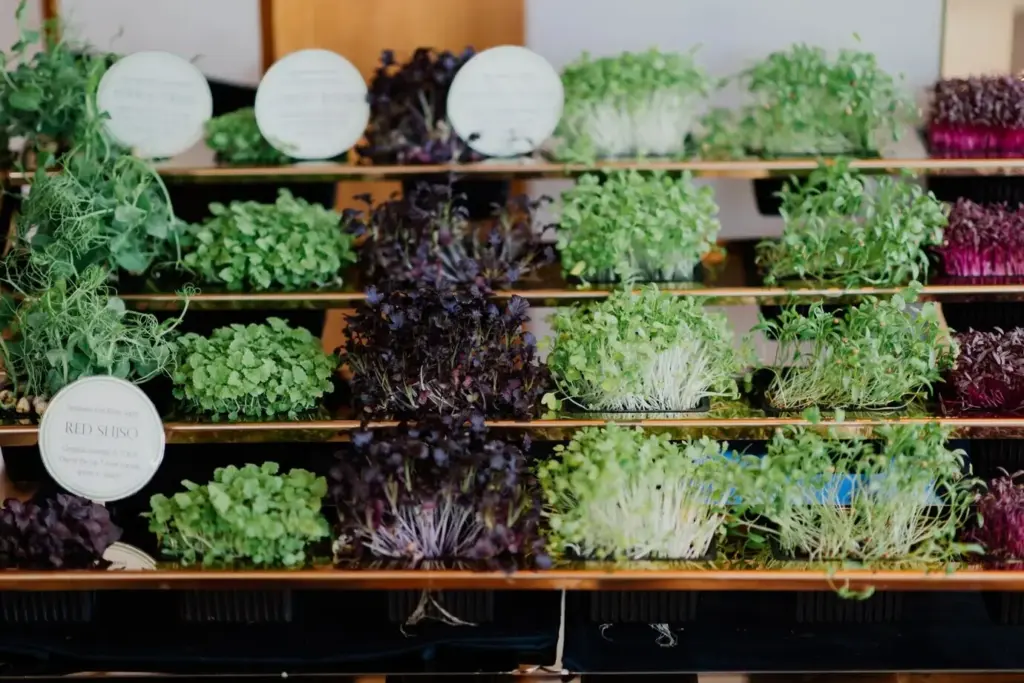
Microgreens deliver flavor and nutrients in astonishing time. In just seven to ten days, you can snip peppery radish, sweet pea shoots, or mild sunflower sprouts. Shallow trays, dense sowing, and misting produce generous harvests that brighten sandwiches, noodles, omelets, and late-night snacks.

Choosing Seeds and Trays for Reliable Sprouts

Look for untreated seeds labeled for sprouting or microgreens, then choose shallow trays with drainage or inexpensive produce clamshells. Line with paper towels or hemp mats, sow thickly, and press seeds gently. Label varieties to compare growth, flavor, and ideal cutting height during your first weekend.

Day-by-Day Timeline That Keeps You Motivated

Hydrate thoroughly on day one, then mist lightly twice daily. By day three you’ll see tiny loops; by day five, a cheerful carpet. Harvest when the first true leaves show. Keep one tray longer to learn how flavor deepens as greens mature under your window.

Flavor Experiments: Spicy, Mild, and Colorful

Mix radish with broccoli for bite, grow cabbage for vibrant purple, or add cilantro microgreens to tacos. Keep notes on combinations and family favorites. Your weekend experiments quickly become signature garnishes, saving money while producing fresher tastes than most market salad mixes.

Wicking Cords and Capillary Mats Explained

Thread cotton through drainage holes into a lower reservoir and let physics do the work. Wicks draw water upward as soil dries, preventing extremes. Pair with airy potting mix and mulch of coco coir to minimize evaporation, especially near sun-struck windows and heated radiators.

Turning Bottles and Jars into Helpful Tools

Flip a bottle, pierce a pinhole in the cap, and nestle it into the soil near the rim. Water seeps consistently without flooding. Reuse jars for herbs that sip slowly, and bottles for thirstier tomatoes, saving both time and plastic with surprisingly elegant results.

A Tiny Oasis for Pollinators

Even the smallest balcony or stoop can welcome pollinators. A few nectar-rich flowers and a clean water source help urban bees, hoverflies, and butterflies refuel. Choose pesticide-free practices, and you’ll gain better harvests while supporting tiny allies whose work feeds entire neighborhoods.

Nutrients and Composting in Miniature

Healthy plants rely on steady nutrition, even in tiny pots. Small-scale composting solutions turn peels and coffee grounds into gentle food for roots. By creating micro-batches, you reduce waste, build soil structure, and keep weekend projects delightfully circular, sustainable, and budget-friendly over months.

Countertop Worm Bin That Doesn’t Smell

Use red wigglers in a ventilated bin with bedding made from shredded paper and coco coir. Feed small, varied scraps, cover with bedding, and keep things damp like a wrung sponge. Harvest castings monthly to sprinkle around containers, boosting resilience and lush, steady growth.
Ferments and Friendly Microbes for Urban Kitchens

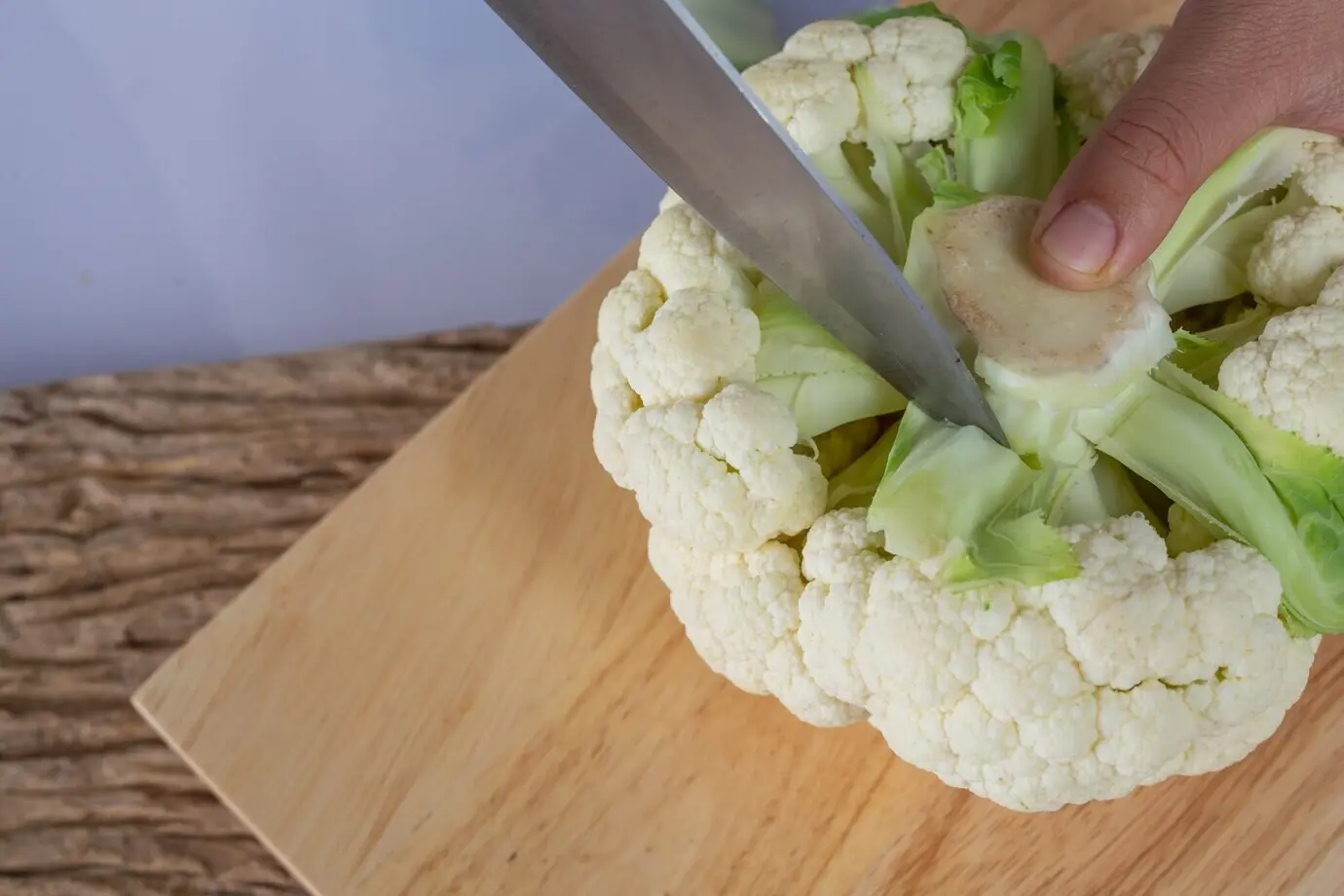
Kitchen-friendly fermentation breaks scraps down even faster. Layer waste with bran inoculated by effective microorganisms, press out air, and seal. After a couple weeks, bury the pre-compost into potting mix or a balcony planter, where microbes finish the job and roots celebrate quietly.
Feeding Schedule That Matches Small Containers

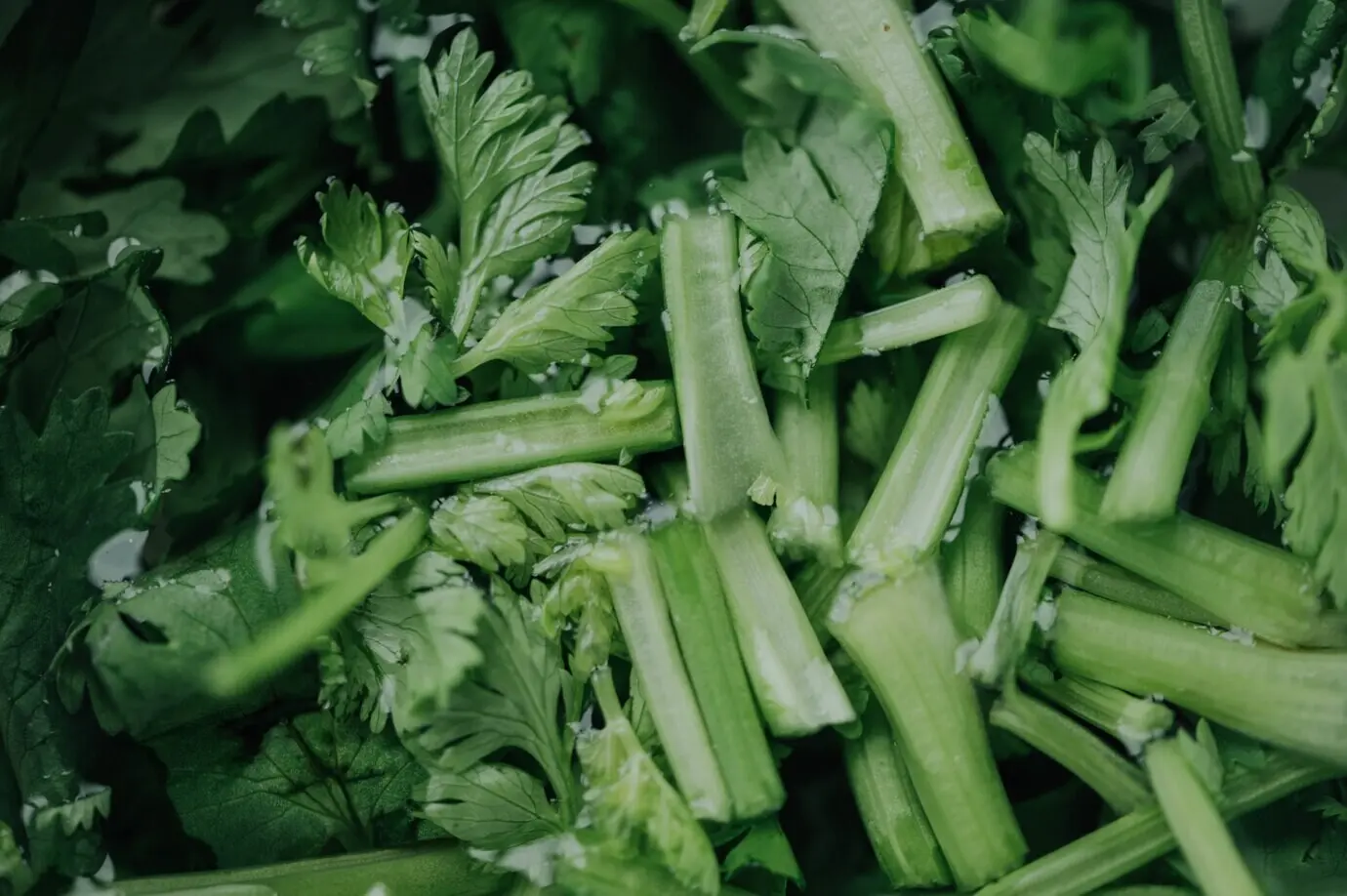
Too much fertilizer in small containers harms roots. Feed lightly every two weeks with compost tea or diluted liquid seaweed, and pause during heatwaves. Observe leaf color and growth rate; your attentive notes become a personalized guide for balanced, happy plants throughout the year.

Rutorupulokafivi
Privacy Overview

This website uses cookies so that we can provide you with the best user experience possible. Cookie information is stored in your browser and performs functions such as recognising you when you return to our website and helping our team to understand which sections of the website you find most interesting and useful.