
Give Everyday Containers a Second Life in the Garden
Today we explore Upcycled Container Planters from Household Items, turning jars, cans, baskets, colanders, and forgotten treasures into lively homes for herbs, succulents, and blooms. You will find practical steps, safety notes, smart plant pairings, and design play that welcomes creativity, saves money, and keeps useful materials out of landfills. Expect cheerful ideas, real‑world examples, and gentle guidance that help beginners start confidently while giving experienced gardeners fresh, sustainable inspiration they can proudly share with friends, neighbors, and curious passersby.
Why Reuse Beats Buying New
Reusing containers reduces waste, cuts manufacturing emissions, and saves the water and energy embedded in new products. A coffee tin or cracked serving bowl can become a durable planter with character, honoring memories while supporting healthy roots. You keep plastic, metal, glass, and fabric in circulation longer, joining a practical circular economy. The result is an affordable garden that looks personal, sparks conversations, and celebrates resourcefulness without compromising plant health or daily convenience, especially when preparation and plant selection are handled thoughtfully.

Cans, Jars, and Tins
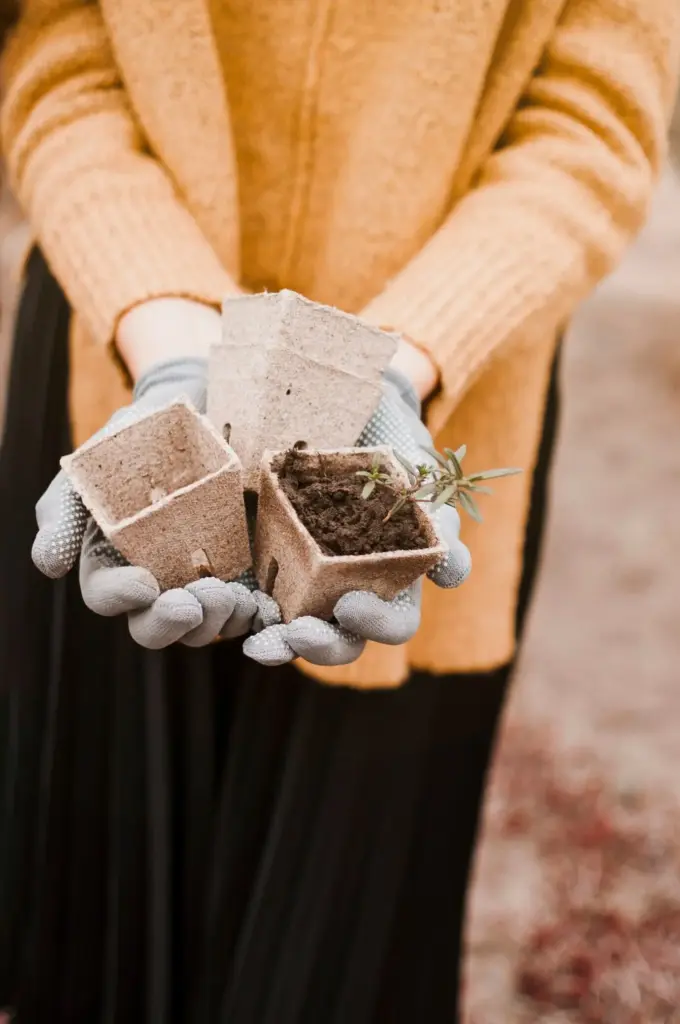
Food cans are light, compact, and easy to drill, while glass jars showcase soil layers, pebbles, and roots for a charming display. File sharp rims and use a protective grommet if needed. Vintage tins bring character but may have unknown coatings, so reserve them for ornamental plants or add a liner. A handful of pebbles can prevent soil from blocking holes, and a small saucer underneath protects shelves while maintaining tidy, effortless watering routines.
Textiles and Baskets
Woven baskets, tote bags, and fabric storage bins breathe beautifully and look warm indoors. Add a plastic or geotextile liner with neat drainage slits to protect fibers while keeping soil contained. Coco coir liners fit snugly and add organic charm, especially for trailing plants on balconies. If a basket lacks structure, nest a lightweight nursery pot inside. The layered approach allows seasonal swaps, easy cleaning, and dependable moisture control without sacrificing touchable, inviting textures.
Broken or Retired Objects
Teapots without lids, mismatched mugs, chipped bowls, outdated colanders, and single rain boots can transform into cheerful plant homes. A neighbor once planted strawberries in a retired pasta colander, enjoying perfect drainage and effortless rinsing. Drawers become mini raised beds when lined and set on bricks. Old toy trucks delight children with thyme and low‑growing sedum. Scout your space with curiosity, and you will discover approachable, practical possibilities that surprise you with resilience, humor, and everyday magic.

Transforming Containers Safely and Effectively
Preparation protects plants and extends container life. Clean thoroughly to remove residues, then assess material safety, especially for edible crops. Add drainage to prevent root rot and consider liners to manage moisture or isolate questionable surfaces. Protective coatings on exteriors can resist weather, while interiors for edibles remain unsealed or lined with food‑safe barriers. Test stability, weight, and balance before planting so the final arrangement remains secure, practical, and enjoyable on breezy porches or sunny windowsills.
Matching Plants to Containers
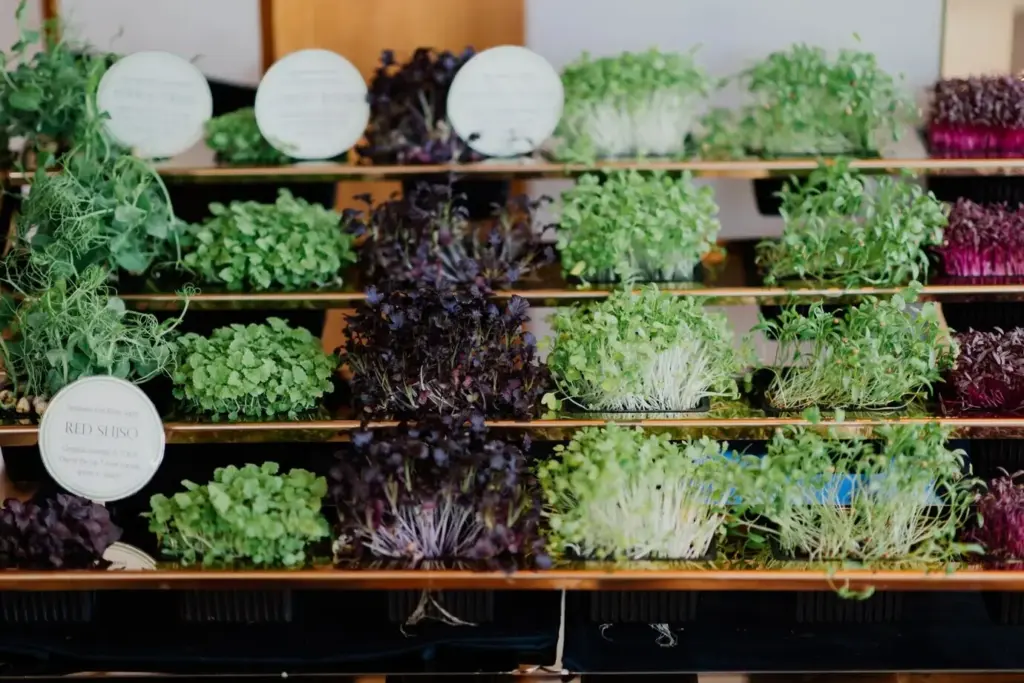
Successful pairings consider root depth, expected size, light conditions, wind exposure, and watering preferences. Shallow vessels favor compact herbs and succulents, while deeper bins handle peppers or bushy flowers. Materials matter too: metal warms quickly, ceramics hold moisture, and baskets breathe freely. Choose potting mixes accordingly, and group containers with similar needs for easier care. With thoughtful planning, repurposed vessels become healthy micro‑habitats where roots anchor confidently, leaves shine, and blooms reward every careful, creative decision you make.
Design Magic: Color, Texture, and Grouping
Style grows naturally when containers and plants echo or contrast each other. Repeated hues tie mixed pieces together, while varied heights and textures keep arrangements lively. A rusty colander beside glossy glass creates tension that feels intentional and inviting. Trios often feel balanced, especially when one container plays hero and others support. Leave breathing room for leaves to spill and sway. Share photos, ask for feedback, and let your evolving arrangements guide playful improvements with each new season.
Color Stories That Sing
Pick a palette that fits your space, then repeat colors across containers and blooms. Cool greens and blues soothe on hot patios, while citrusy yellows and oranges energize shaded entries. Neutral tins let flower colors shine, and a single bright accent anchors the view. Consider leaf tones too, from silvery artemisia to deep basil. When hues whisper to each other, mixed materials suddenly feel harmonious, offering friendly cohesion without sacrificing the spontaneity that makes reuse so joyful.
Texture and Contrast
Combine smooth glass, brushed metal, woven fibers, and matte chalk paint to create touchable interest. Pair feathery asparagus fern with a heavyweight enamel pot, or nest velvety pansies inside a gritty concrete‑look cachepot. Vary heights using crates or bricks so cascading plants meet upright companions eye to eye. Texture guides attention like music, leading viewers gently through moments of surprise and rest. Thoughtful contrast transforms simple finds into layered vignettes where every angle rewards another curious glance.

Ongoing Care, Seasonal Swaps, and Community Inspiration
Once planted, success depends on gentle routines and small observations. Upcycled containers can dry faster or slower depending on material, so learn each vessel’s rhythm. Refresh soil between seasons, trim roots when needed, and rotate displays to follow light. Document wins and challenges in a simple notebook. Then share your journey with neighbors, friends, and fellow gardeners online. The exchange of photos, cuttings, and ideas keeps creativity flowing and makes sustainable gardening feel supportive, joyful, and wonderfully contagious.
All Rights Reserved.