Grow More With Less: Quick-Build Self-Watering Mini Planters

Today we dive into quick-build self-watering mini planters, celebrating fast builds, tiny footprints, and surprisingly resilient growth. Using simple wicks, small reservoirs, and smart soil mixes, you can keep herbs, succulents, and seedlings happy while reducing maintenance and mistakes. Expect clear steps, honest troubleshooting, creative styling tips, and community-tested wisdom that helps busy growers succeed even on windowsills and crowded desks. Share your results, ask questions, and let’s cultivate confidence together.

How the Self-Watering Magic Works

Understanding the mechanics behind consistent moisture turns small containers into reliable, forgiving growing companions. A wick moves water upward by capillary action, a breathable mix moderates air, and a modest reservoir prevents stress from sudden drying. When dialed in, plants sip steadily, roots stay oxygenated, and the caretaker gains freedom from frequent watering without sacrificing vitality or flavor. This balance is perfect for beginners and experienced tinkerers who want dependable growth in compact spaces.

Capillary Action, Explained Simply

Picture a paper towel touching a puddle: water climbs upward without pumps or electricity. Your planter’s wick does the same, delivering moisture only as the soil demands it. Because the soil stays evenly damp—not soaked—roots grow confidently, reducing shock. This gentle, passive movement unlocks consistent growth, especially for herbs that dislike extremes. It’s science you can see, and it keeps even tiny containers surprisingly stable across variable indoor conditions.

Reservoir Designs That Never Flood

Small doesn’t mean complicated. A bottle-within-a-bottle or jar-with-lid insert gives a clear reservoir beneath the soil, while a simple overflow hole prevents accidental drowning during refills. Keep the water level below the root zone, let the wick bridge the gap, and maintain airflow with drainage slits or mesh. This separation avoids soggy soil and encourages roots to explore. It also makes checking levels easy, so quick top-ups never become guesswork or mess.

Fifteen-Minute Builds From Everyday Items

Speed matters when enthusiasm strikes. These quick builds minimize tools, favor upcycled containers, and rely on neat cuts and snug fits rather than specialized hardware. Clear walls help monitor moisture, and a tidy wick slot keeps everything aligned. With basic scissors, a nail for a drain hole, and safe edges, you can assemble a dependable planter during a coffee break. Expect instant gratification, tidy counters, and small victories that add up to thriving green corners.

Two-Bottle Window Garden

Cut a plastic bottle near its shoulder, invert the top into the base, and thread a damp cotton wick through the cap. Fill with airy mix, tuck a basil seedling, and add water below. Make an overflow hole on the side to prevent flooding, then label the date. This compact window unit sips steadily, survives warm afternoons, and teaches refill rhythm quickly. Rinse parts occasionally, and enjoy leaves that taste brighter with consistent moisture.

Mason Jar Herb Keeper

Use a wide-mouth jar, a mesh or drilled lid insert, and a threaded cotton wick dangling into the reservoir. Fill with a perlite-rich mix, plant mint or parsley, and watch condensation patterns guide refill timing. The clear glass reveals water levels at a glance, making it perfect for beginners. Add a small cork to the overflow opening for transport, and update a calendar reminder weekly. Simple, elegant, and endlessly reusable, this jar becomes a loyal kitchen companion.

Desk-Friendly Yogurt Cup Planter

Stack a clean yogurt cup inside a slightly larger food-safe container, poke a centered wick hole, and cut two small side vents for airflow. The inner cup holds soil; the outer cup holds water. It fits a sunny desk corner, keeps drips contained, and keeps tiny roots hydrated between meetings. Test chives or thyme to enjoy fragrant breaks. This miniature build also invites coworkers to ask questions, creating a friendly conversation starter and growing community.

Mixes That Breathe and Sip

Start with potting mix cut generously with perlite or pumice for airflow, add coco coir for stable hydration, and consider a pinch of vermiculite for water retention balance. For herbs, avoid heavy compost that sours in tiny containers. Aim for a pleasant springy texture that doesn’t cake when damp. Moisten before planting, squeeze a handful gently, and ensure water beads but does not drip excessively. This stability makes wicking predictable, protecting delicate roots from stress.

Seedlings That Thrive in Small Reservoirs
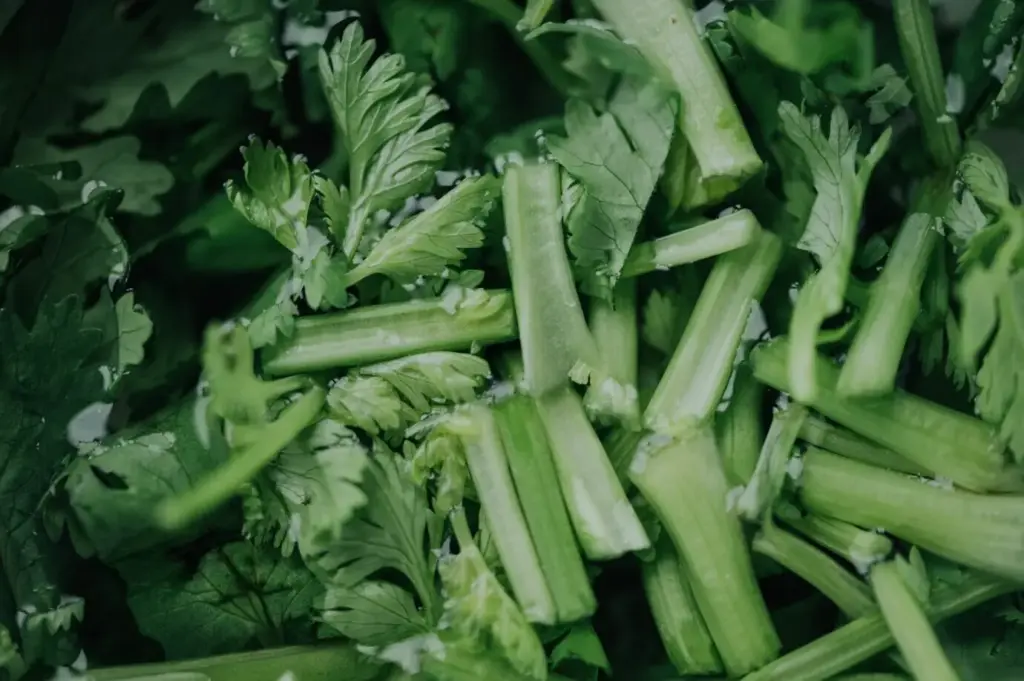
Basil, mint, parsley, cilantro, chives, and thyme adapt easily to steady moisture when roots remain aerated. Small lettuces and microgreens respond beautifully too. For compact ornamentals, try nerve plants or peperomia. Start with young transplants or sow directly and thin generously to avoid crowding. If leaves pale, add diluted liquid feed occasionally. When growth surges, trim lightly to maintain airflow. Consistent sipping encourages sturdy stems, flavorful leaves, and low-maintenance wins despite cramped windowsills.

Light Strategies for Tiny Spaces

Place planters where morning sun meets bright afternoons without harsh scorch, or supplement with a small LED bar twelve inches above foliage. Rotate containers weekly to prevent leaning, and clean windows for extra lumens. If stretching occurs, increase light duration slightly. Reflective surfaces, like a white card behind plants, can amplify brightness. Observe leaf color and internode spacing as reliable feedback. Sustainable light habits create compact, aromatic herbs and happy calatheas without guesswork or fatigue.

Troubleshooting and Care

Even forgiving systems need small adjustments. Watch for slow sips that suggest a choked wick or overzealous flows that hint at a too-thick cord. Tweak hole sizes, wick thickness, or soil ingredients to regain balance. Monitor leaf posture, surface moisture, and reservoir clarity for easy diagnostics. Keep notes on refill intervals and pruning responses. With a few purposeful checks each week, you’ll avoid common pitfalls and build confidence that outlasts seasonal changes and busy schedules.

Design, Style, and Small-Space Ideas

Function can look delightful. Choose transparent vessels for monitoring, or matte ceramics with hidden inner wicks for an elegant vibe. Add minimalist labels, a color-coded cap system, or recycled wooden trays to unify a windowsill collection. Arrange by water needs rather than species to streamline refills. Mix heights, textures, and leaf shapes for visual rhythm that still supports airflow. Beautiful design nudges consistent care, invites curiosity, and makes everyday harvests feel celebratory and personal.

Beyond the Basics: Upgrades and Experiments

Once your planters run smoothly, playful upgrades widen possibilities. Swap soil for LECA, test narrower wicks for succulents, or model a printable insert that locks everything neatly in place. Add a tiny water-level window or magnet-mounted label strip. For data curious growers, pair a sensor with notes to refine refill timing. These enhancements keep curiosity alive, transform learning into craft, and help a small collection evolve into a creative, resilient indoor garden ecosystem.

LECA and Semi-Hydro

Lightweight expanded clay aggregate invites airflow and reduces messy repots. With a stable reservoir and a nutrient solution, roots adapt to a cleaner, consistent environment. Start with diluted fertilizer, rinse LECA thoroughly, and keep wicks minimal to prevent over-saturation. Transition plants gradually, observing root growth and leaf texture. Semi-hydro shines for peperomia, pothos cuttings, and experiments that reward patience. Share your before-and-after photos to help others judge whether a soilless path fits their space and habits.

3D-Printed Inserts and Templates

A simple printable collar or mesh cup can center the wick, support the plant, and create tidy access to the reservoir. Design overflow channels, snap-fit rims, or label tabs for easy maintenance. Post files with sizing notes matching common jars or bottles so readers can adapt quickly. If you don’t own a printer, ask a local library or makerspace. Thoughtful inserts remove friction, enabling consistent results and making quick builds feel polished, repeatable, and delightfully engineered.
Rutorupulokafivi
Privacy Overview

This website uses cookies so that we can provide you with the best user experience possible. Cookie information is stored in your browser and performs functions such as recognising you when you return to our website and helping our team to understand which sections of the website you find most interesting and useful.